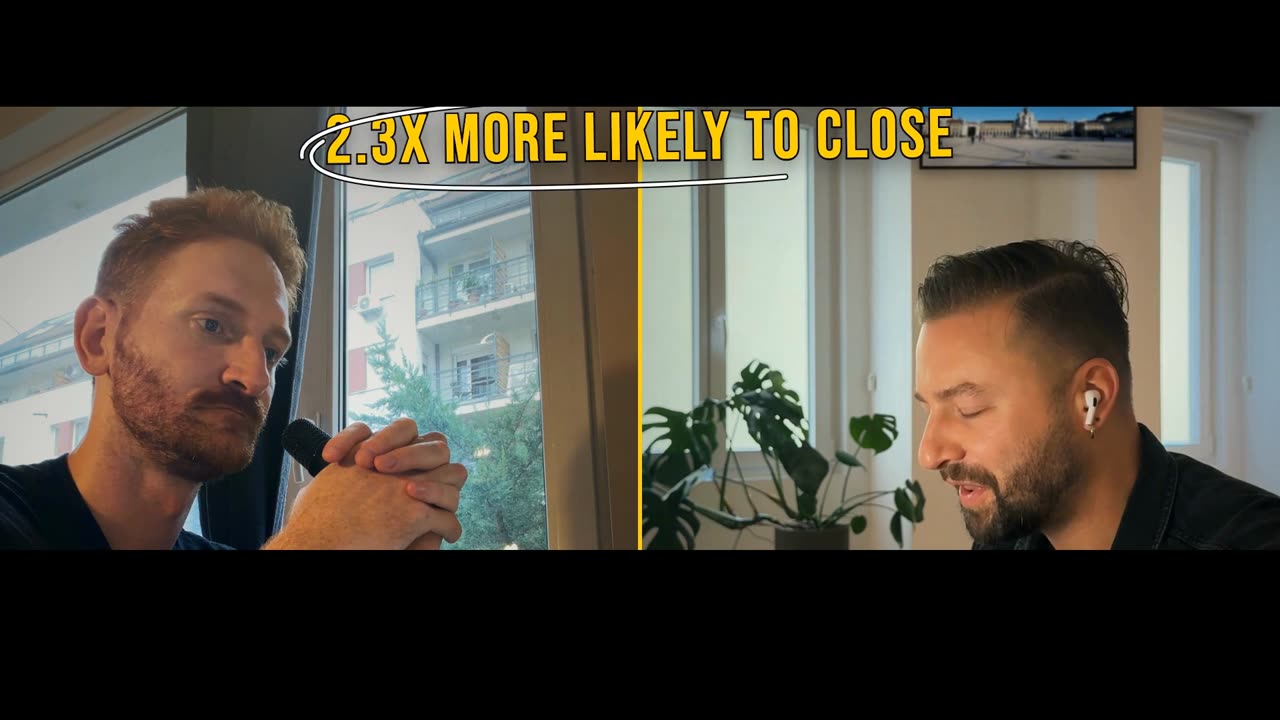
Alex started at Reach four months before we recorded. He still gets "Congratulations on your new role, let me sell you some shit" in his inbox. His words. He reads them as a buyer and then goes back to his desk to send outbound himself. That's a useful seat to sit in.

ContextContext
My signal engines start with the standard pile: hiring, funding, new executives, tech stack changes. Clients ask for them by name. Alex calls most of them BS signals. He doesn't think they're useless. Everybody has them, so the signal is saturated, and then the message on top is bad. Two problems in one email.
Intent data, in the Wikipedia version, is the digital footprints people leave when they search a keyword, visit a website, download a whitepaper or interact on social platforms. Alex's point is that everybody reads the same footprints.
His definition of a buyer signal is simpler than most: the customer is ready to buy what you sell. Often they don't know it yet. So he says you have to look at the psychology of the business and at what's going on in your ICP's head.
The callWhat he said
His own signal stack, strongest first.
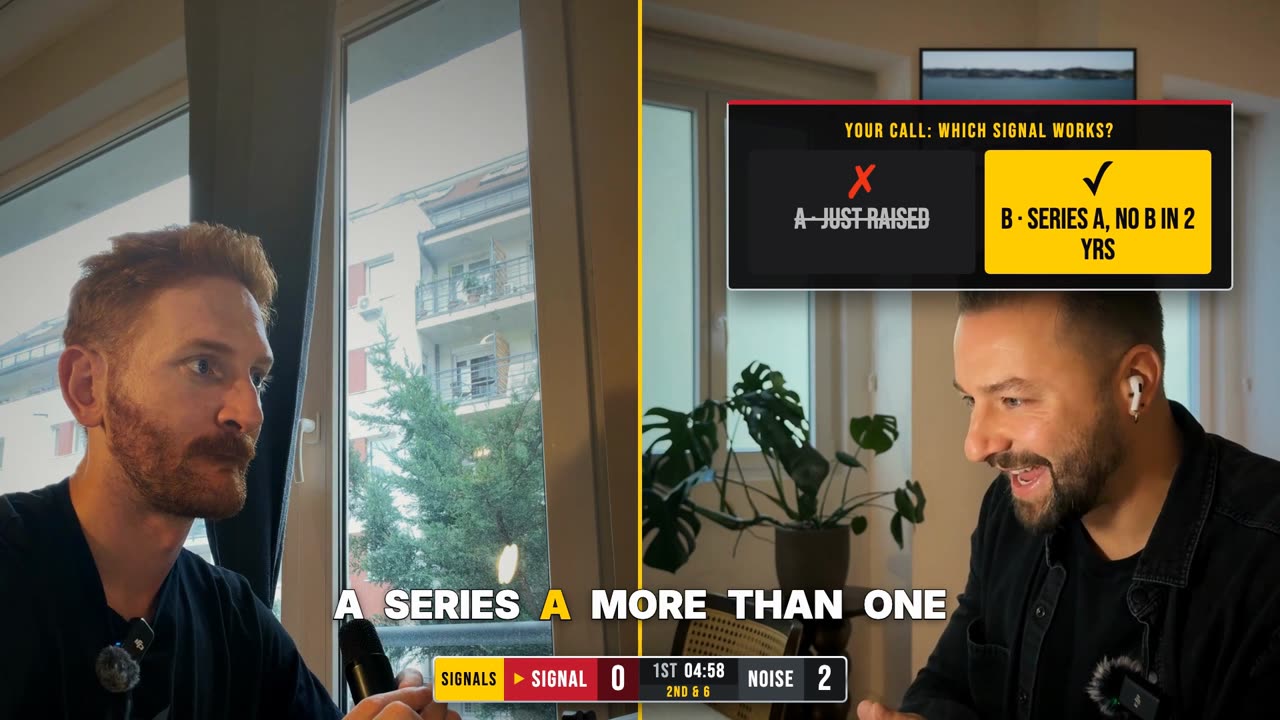
A Series A raised 1.5 to 2 years ago with no Series B yet. The investors are unhappy, and often the company never found an organic channel. Hiring, when the job description mentions SEO, Reddit or the website. Rebrands and repositioning. A new website is the best time to hire an agency like his, even though people think the opposite. A company that already works with an agency for anything. Then the weak ones: an "SEO aware" marketer, and a search gap, which everyone has.
ReadUnhappy investors want a second channel.Signal: Series A, no Series B
The signal that makes people reply is a drop.
Organic traffic falling over 6 to 18 months. He puts an Ahrefs screenshot in the second message. The shock makes people answer, and usually the team has been blaming Google. His email reads like this:
"Any idea what changed on your website since May last year? Google was sending about 930 visits a month in May last year. It's about 350 now."
No compliment, no "hope you're well." A number they didn't know, and one question.
ReadA number they didn't know gets the reply.Signal: traffic drop
"Any idea what changed on your website since May last year?"Alex's cold email, first line
Personalization went wrong when the data was wrong.
He tried very deep personalization through Clay, with revenue estimates for medical offices. He called the result "absolutely tragic," because the data was wrong. People see their own company differently. You write "you're a $1M business" and they answer "I'm almost $3M." Personalization is old. Wikipedia notes that "when industrialization led to the rise of mass communication, the practice of message personalization diminished for a time" (Wikipedia). AI brought it back, wrong numbers included. He went back to simple emails with a few custom fields that are true: the traffic drop numbers, the screenshot, one relevant case study.
ReadOne wrong number costs more than no number.Signal: enrichment
He built his own signal out of content.
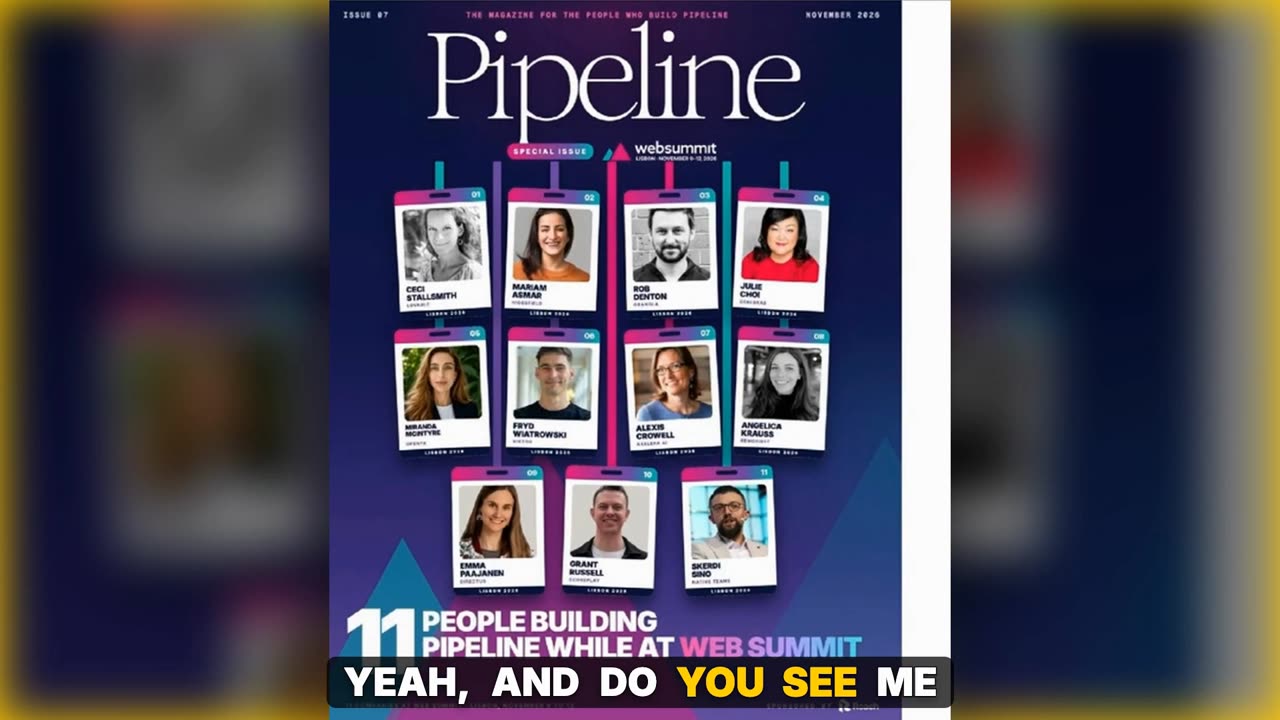
He publishes "Pipeline magazine" covers on LinkedIn: magazine covers of CMOs at Series A companies, with a Web Summit edition. People who react to them are a signal he owns. His next step is to put the people he wants to talk to on the cover.
ReadMake the thing your buyers react to.Signal: owned content
The best intent is the question the buyer asks.
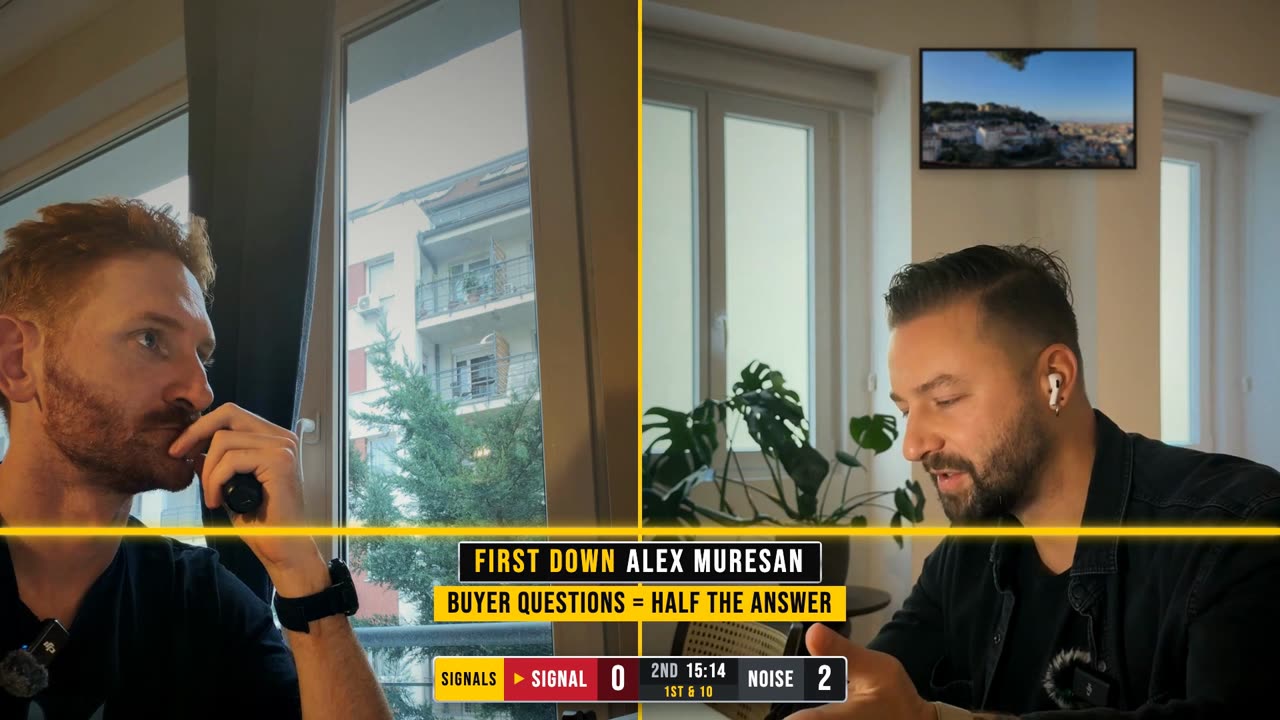
Sales calls, Reddit threads, AI chats. To Alex, the buyer's question is "half the answer." You follow the question down to the smallest keyword and build content for it. His healthcare example: they built content on a Medicare topic before it existed online.
Then two numbers from his side. For one customer, leads from AI search close 2.3x more, second only to referrals. And he quoted that 68% of B2B buyers change their mind about who they came asking for after a conversation with an AI.
ReadThe question is half the answer.Signal: buyer questions
Some needs have no public signal.
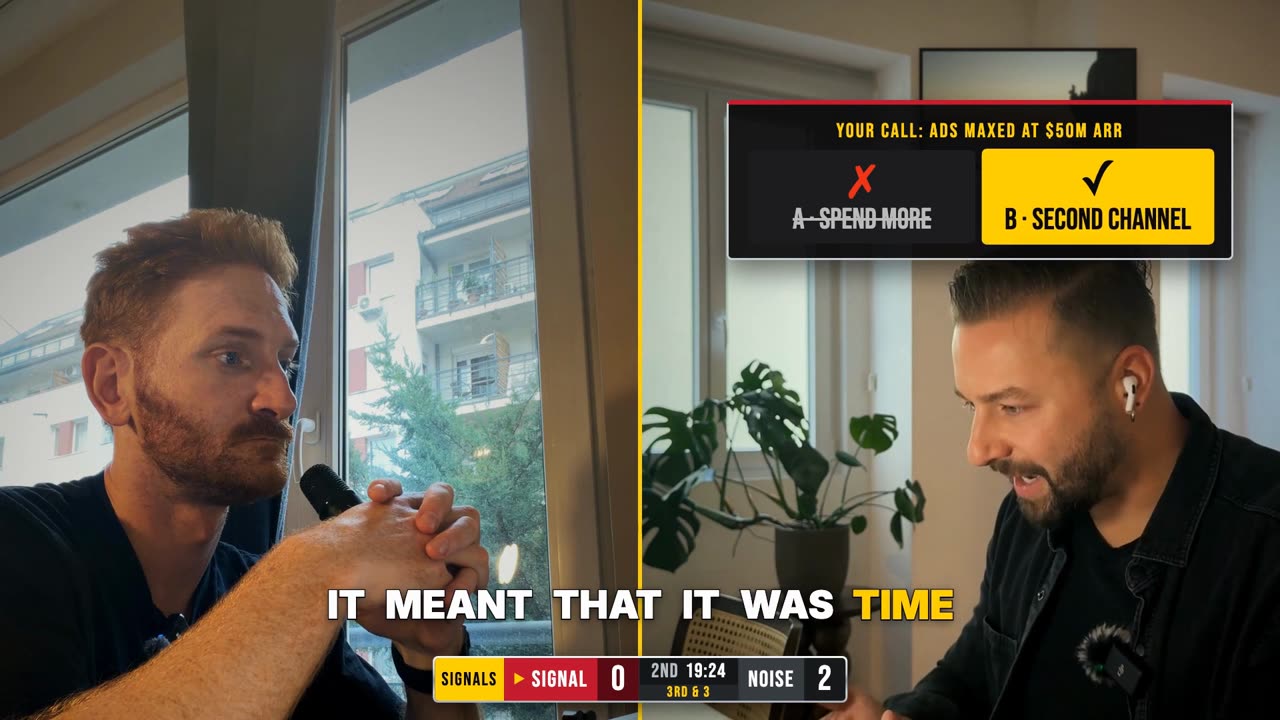
One customer: Series A, couldn't raise a Series B, investors unhappy about retention and rising CAC. Companies like that usually top out one channel around $50M ARR and need a second one. There is no public signal for "CAC is high." You only learn it on the call.
ReadSome needs only show up in conversation.Signal: none
BreakdownTactical breakdown
What I did
I shared my own view. First-party signals are the best ones. Third-party data from UserGems, Bombora or 6sense is a black box I don't fully trust. You need thresholds and you need to check them against deals opened, closed and SQLs.
I added one thing from working across Europe. In Spain and Italy, lots of engagement is normal and doesn't mean a sale. In the Nordics, Germany and the US, low engagement is normal, so a spike means something.
What went wrong
My engines still lead with the saturated signals because clients ask for them. I list funding and new hires first and the odd ones last.
What went right
We agreed on simple emails with true numbers. His 930 to 350 example is the best cold email I heard all month.
What I'll do differently
For each client I'll look for one signal the competition can't see, the way traffic decline works for Alex, and build that before the standard pile. And I'll stop enriching fields we can't verify.
Steal thisSteal this
Tick what you will try this week
ClosingClosing
Alex says Lisbon beats New York for a first-time founder. He also misses zacuscă cu fasole. Nobody has built a signal for that yet.

Lines marked (Wikipedia) are quoted from English Wikipedia as it was before November 2022, used under CC BY-SA. Stills from Signals episode 2. Photos by Stefan Repin. GIF via GIPHY.

About the author
Stefan Repin · LinkedIn
Builds signal and scoring systems for B2B companies with long sales cycles. Co-founder of Telltale with Alex Repin. Writes a field note from real sales calls most weeks.