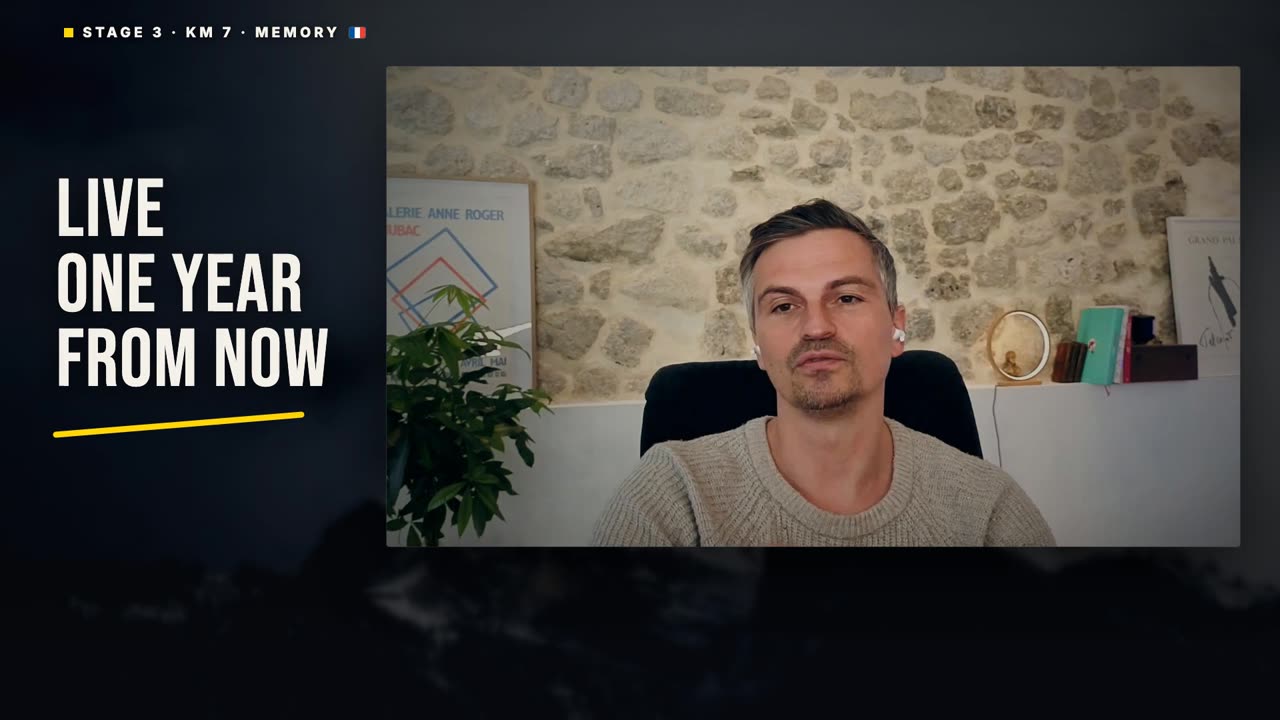
David wears three hats. He builds GTM engines for scale-ups, he co-founded Loot, and he runs a community called the Gen AI Circle. He also carries 60 kg cinder blocks around his farm in the Pyrenees for fun. I asked him about buying intent and he started with B2C.
ContextContext
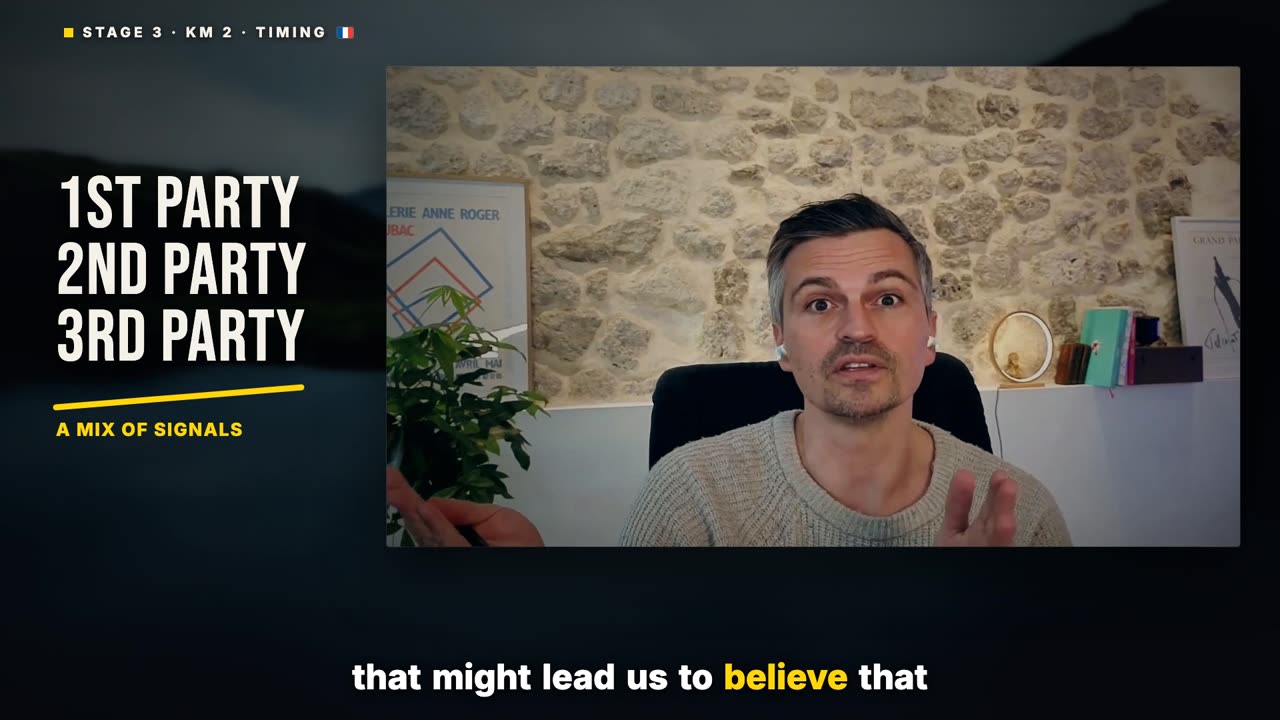
Before signals there was RFM: recency, frequency, monetary. How recently someone bought, how often, how much. The classic way to use it: split recency into buckets like the last 90 days, 91 to 365 days, and older. Three buckets for each of the three gives 27 segments, and one well-known commercial approach uses five buckets each, which makes 125. David uses the same lens in B2B and splits net-new intent into three kinds. First-party: they interacted with your sales or marketing. Second-party: a partner told you. Third-party: market moves like hiring, funding or a tech stack change.
The automation is easy now. The judgment is still hard. "What is a buying intent for our product? And that comes back to what are people hiring our product to do? So it's still an art for now."
The callWhat he said
First-party is the easy part.
"Three, four people from the decision-making unit have visited our website, so they're probably on the market." Easy one, he said. "The hard part is what is the two, three percent of our total addressable market that today doesn't know about us, that today is potentially on the market for a solution like ours. Today, it's about timing."
The other 98% have other priorities. They're on a multi-year contract with another vendor, or it's not their top pain. "It's really about timing, timing, timing."
Read2 to 3% of the market is ready, most of it has never heard of you.Signal: timing
He calls his method lazy.
He uses the most expensive frontier models as co-thinkers. "I use those as my board." He spends most of his credits there, asks them for a plan, then sends cheaper models out to execute and report back.
Last week the whole brief was: look at our top paying customers, what do they have in common? Map them out, run regressions, find lookalikes, and give me the next 1,000 customers. Then map the buying committee and find an ABM angle per person.
The board came back with two lists. Integration platforms drove a lot of his volume: "Take six months to close them potentially, but go plant some seeds there." For short-term revenue and pipeline speed, go after B2B agencies. It listed 150 of them.
ReadYour best customers already describe the next 1,000.Signal: top customer pattern
The demo cost $4.95.
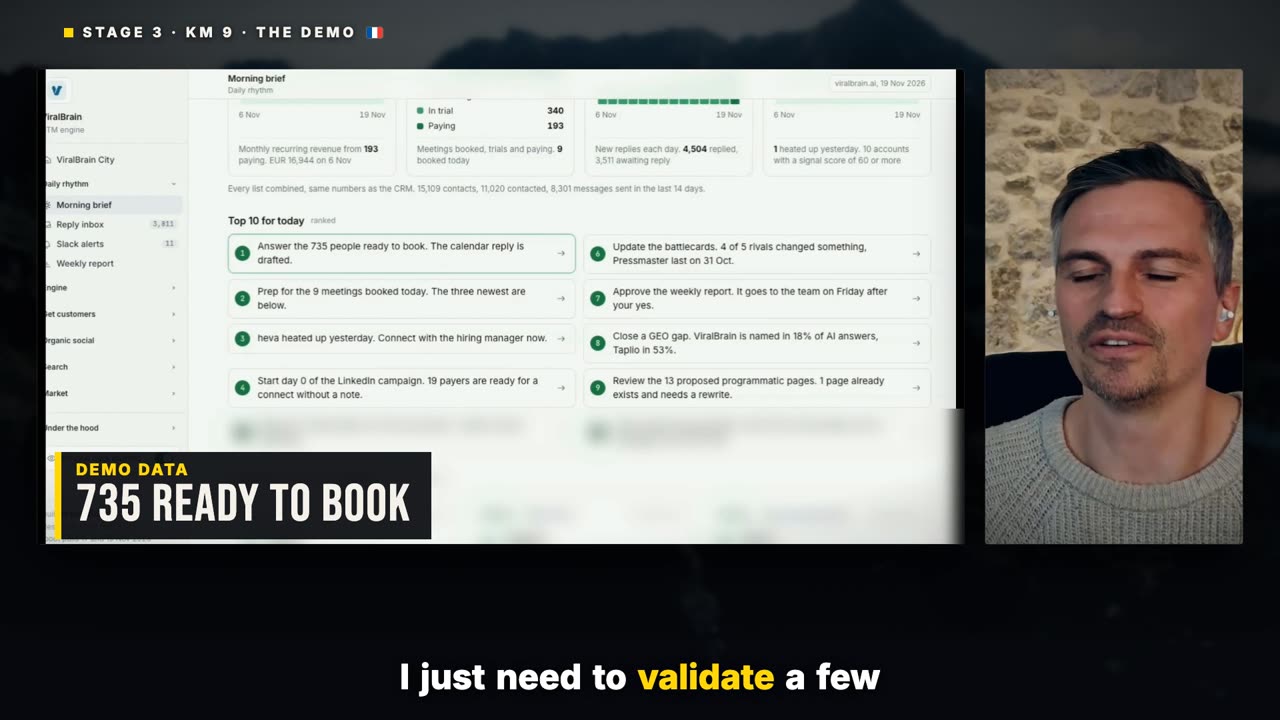
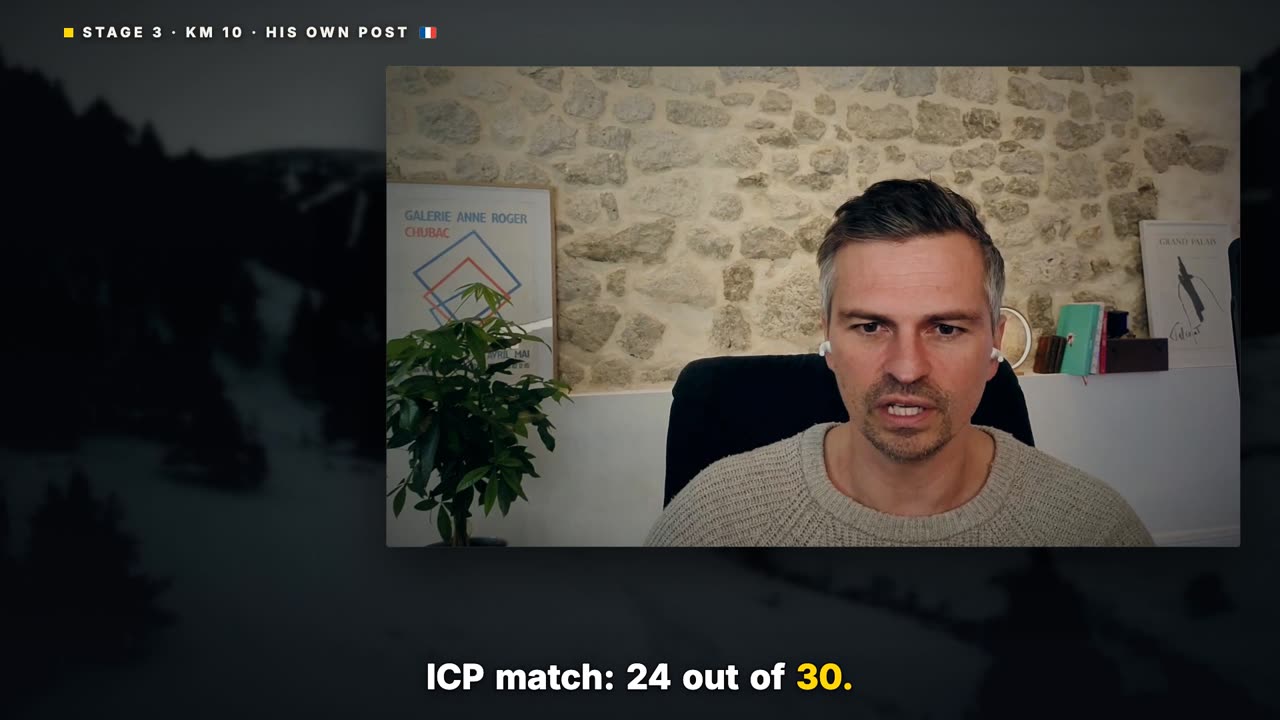
He showed me a GTM engine he built. Each account gets a score: ICP match 24 out of 30, research fit 8 out of 10, LinkedIn activity 15 out of 15, email found 6 out of 10. One signal on screen: a founder had promoted his own LinkedIn post on November 3. If that went well, he might be in the market for a LinkedIn automation tool.
"By the way, everything I'm showing you here cost $4.95 to run, and the expensive part was the third-party data." A full playbook ran for about 96 cents. His advice for CFOs who worry: put a spending cap on each API.
What stays hard is building the asset for each person in the buying committee. That's why he thinks services firms have a future. The next big company, he quoted, will be "a software company masquerading as a services firm," because nobody knows what to do with all this power.
ReadThe engine is cheap, the asset per person is the work.Signal: a promoted post
"The future is headless."
He thinks 80% of SaaS is cooked. Pay-per-seat, pretty interfaces, no proprietary data. That pricing is baked into how SaaS was defined: "SaaS vendors typically price their applications based on some usage parameters, such as the number of users using the application" (Wikipedia). Agents don't need seats. "Nobody needs a CRM. CRM's nothing more than a glorified system of record." Build your own system of record and put the application layer on top. CRM vendors, in his view, need to cut prices by 90% and let agents work inside them.
Loot is his bet on this. One API key, around 5,000 tools, pay per use. It launched about two months before we recorded and was already at around 15K in revenue.
ReadThe buyer of the future might be an agent.Signal: interfaces
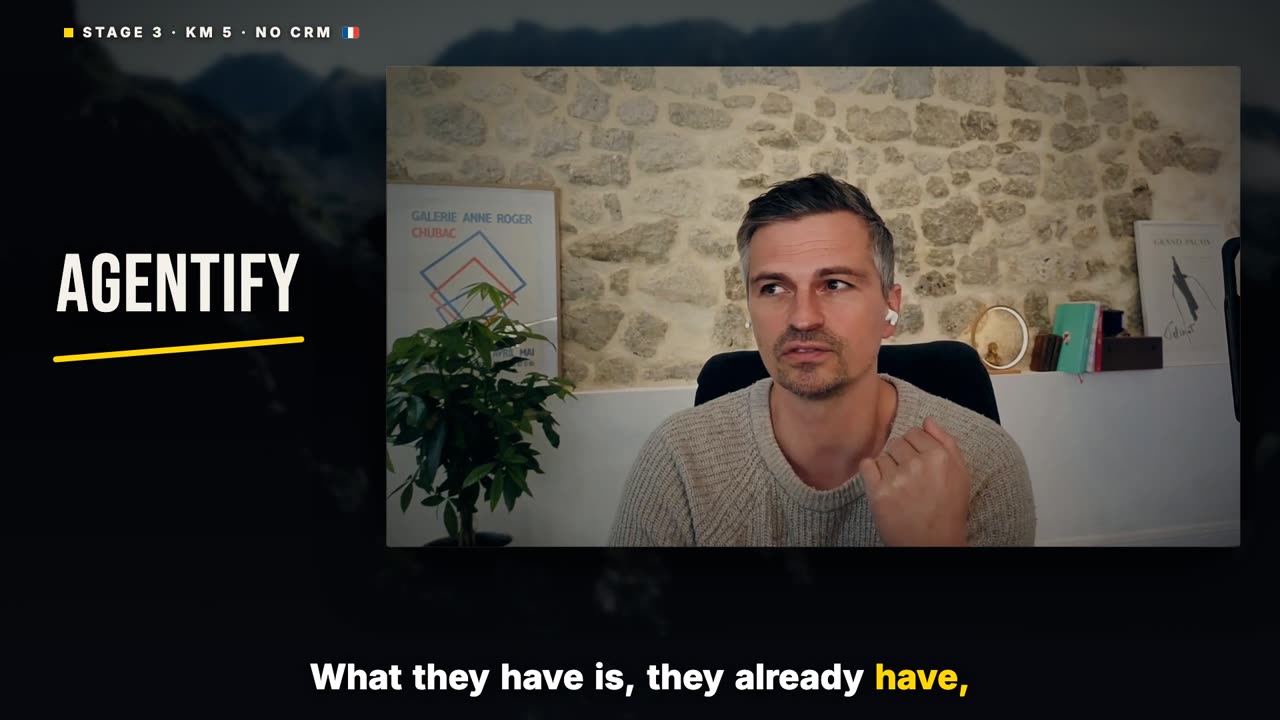

"Don't live now. Live one year from now."David, on people who won't give an agent their credit card
Agents are already buying.
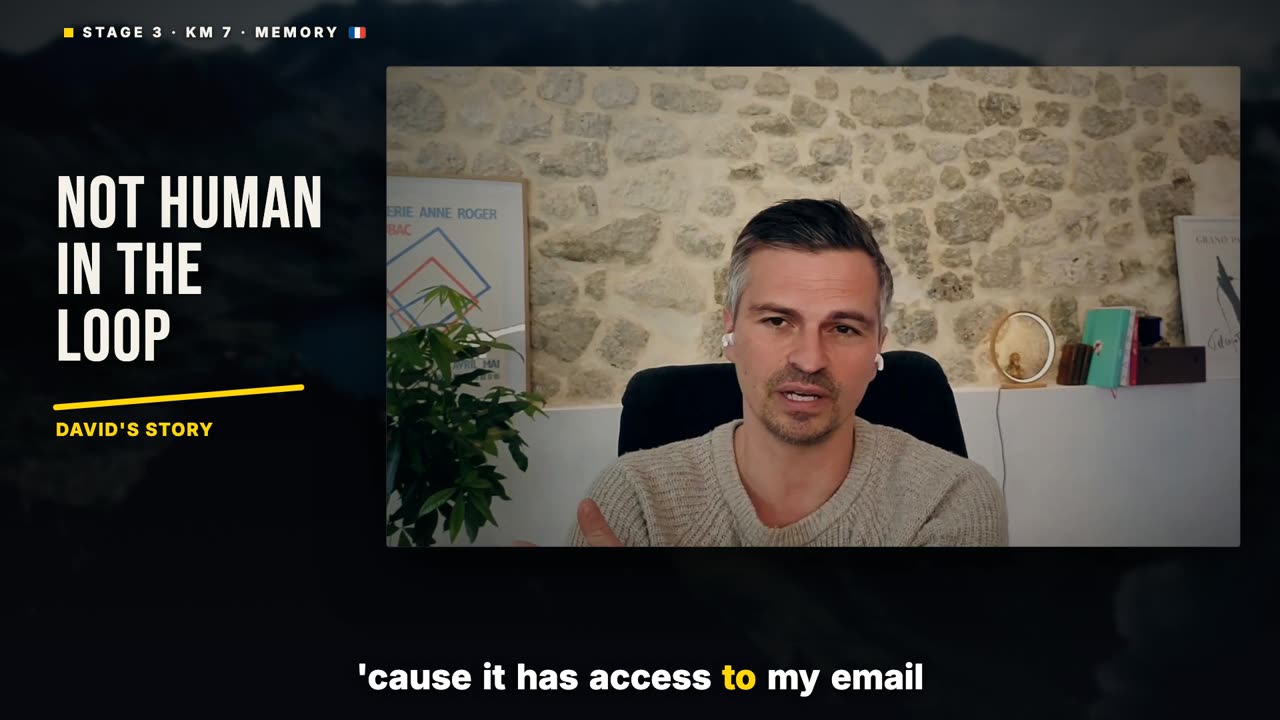
He went to Cyprus and his personal agent booked the taxi from the airport to the hotel, no human in the loop. The taxi companies that won were the ones an AI could find, with transparent prices and direct booking. He says about 1% of his purchases go through agents today.
Customer journeys now come in three shapes, he said: human to human, human to agent to agent to human, and agent to agent. When people tell him nobody will give an agent their credit card, he hears the same objection e-commerce got 15 years ago. "Don't live now. Live one year from now." And then a correction: whatever you think will happen in a year, "divide by two for now."
ReadBe findable and bookable by a machine.Signal: agent traffic

BreakdownTactical breakdown
What I did
I agreed on CRM. I told him I think CRMs are cooked and companies need an agentic system of record. I also told him about the signal bot I'm building for defense. One prospect there told me, "We have a consultant who gathers the tenders for us." That was the whole system.
What went wrong
I still build most engines from my own domain expertise first. David starts by asking the data what his best customers share. I skip that step because it feels slow. With his setup it took him a week.
What went right
The defense story connected to his best advice for my own business. His mentor told him to go after laggard industries: logistics, construction, defense. "You start to penetrate those, and then you look like an absolute hero." That's where I'm already working.
What I'll do differently
Every new client starts with a "top paying customers" analysis before I pick signals. And I'll check how findable each client is for an AI agent, since some of their buyers will arrive that way.
Steal thisSteal this
Tick what you will try this week
ClosingClosing
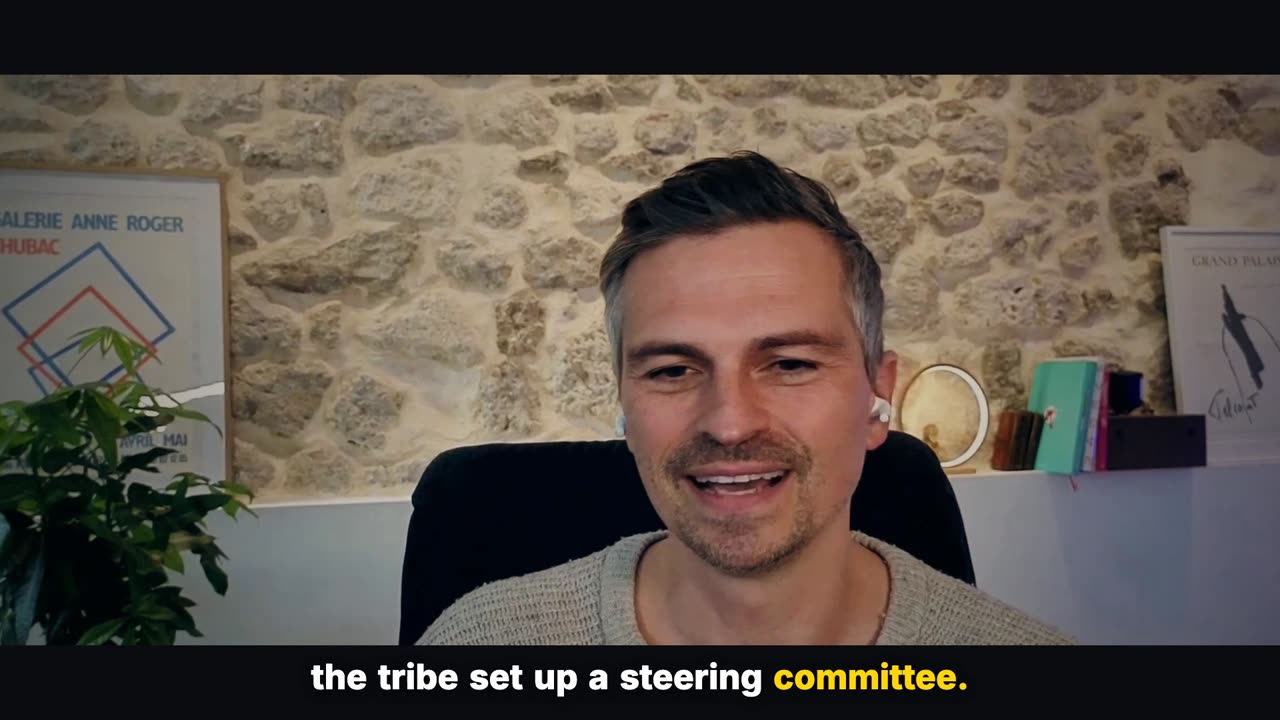
David's book is called GTM OS, about 400 pages. One line from it: around 400,000 BC, one person learned to make fire, and the rest of the tribe set up a steering committee. He says he sees the same thing in enterprises now.
Lines marked (Wikipedia) are quoted from English Wikipedia as it was before November 2022, used under CC BY-SA. Stills from Signals episode 3. Photo by Stefan Repin. GIF via GIPHY.

About the author
Stefan Repin · LinkedIn
Builds signal and scoring systems for B2B companies with long sales cycles. Co-founder of Telltale with Alex Repin. Writes a field note from real sales calls most weeks.